

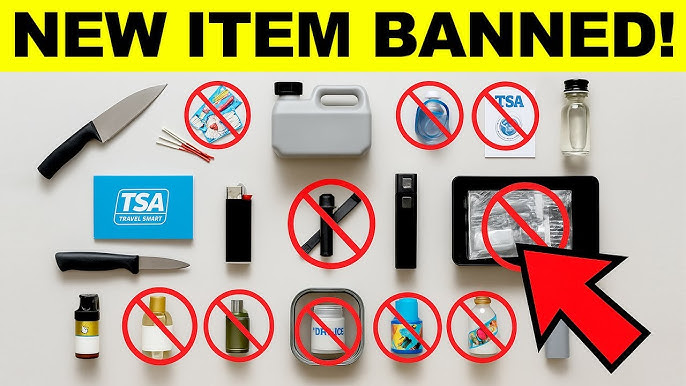
Packing beauty and skincare products for travel may seem simple, but airport security regulations can quickly create problems if you are not prepared. Many travelers are surprised when certain cosmetics or personal care items are confiscated during screening. Understanding the rules related to a tsa banned beauty product can help you avoid delays, wasted money, and unnecessary stress at the airport.
In this guide, we’ll explore which beauty products commonly face restrictions, why these rules exist, and how travelers can pack smartly while staying compliant with TSA regulations.
Why TSA Banned Beauty Product
The Transportation Security Administration (TSA) enforces strict safety guidelines for carry-on and checked luggage. Some beauty items contain flammable ingredients, pressurized containers, or liquids that exceed allowed limits.
The main purpose of these restrictions is passenger safety. Products that may seem harmless in everyday use can become risky during air travel because of cabin pressure and security concerns.
As a result, some items may fall under the category of a tsa banned beauty product depending on their ingredients or packaging.
The 3-1-1 Liquid Rule Explained
One of the most important TSA guidelines involves liquids in carry-on bags.
According to the rule:
- Liquids must be in containers of 3.4 ounces (100 ml) or less
- All containers must fit inside one clear quart-sized bag
- Each passenger is allowed only one liquid bag
This rule applies to many beauty products, including:
- Shampoo
- Foundation
- Lotion
- Liquid lipstick
- Perfume
If products exceed the limit, they may be removed during security screening.
Common TSA Banned Beauty Product That Cause Problems
Many travelers unknowingly pack restricted items. Understanding which products commonly create issues can help avoid confusion.
Aerosol Sprays
Hair sprays, deodorants, and dry shampoos in aerosol form may face restrictions because they are pressurized and sometimes flammable.
Nail Polish Remover
Products containing high amounts of acetone are often considered hazardous materials.
Large Perfume Bottles
Perfumes larger than the allowed liquid size may be confiscated in carry-on luggage.
Gel-Based Products
Hair gels and thick skincare products still count as liquids under TSA rules.
Battery-Powered Beauty Tools
Certain heated styling devices or tools with lithium batteries may require special packing procedures.
These are some of the most common examples associated with a tsa banned beauty product situation.
Read About Black Mary Jane Shoes: A Timeless Fashion Staple for Every Wardrobe
Carry-On vs Checked Luggage
Many beauty items that are restricted in carry-on bags can still be transported safely in checked luggage.
Carry-On Bags
Carry-on restrictions are stricter because items remain accessible during the flight.
Checked Bags
Checked luggage allows larger liquid quantities, although hazardous materials are still prohibited.
Travelers should always verify airline-specific rules in addition to TSA regulations before packing.
Smart Packing Tips for TSA Banned Beauty Product
Packing carefully can reduce the risk of losing expensive cosmetics or skincare items at security checkpoints.
Use Travel-Sized Containers
Transfer products into TSA-approved travel bottles to stay within liquid limits.
Seal Products Properly
Leaks can damage luggage and create problems during inspections.
Keep Liquids Accessible
Place all liquid beauty products in an easy-to-reach transparent bag.
Avoid Unnecessary Items
Only pack essentials to simplify the screening process.
Following these steps helps travelers avoid issues related to a tsa banned beauty product at airport security.
Are Makeup Products Allowed?
Most standard makeup items are allowed if they follow liquid guidelines.
Generally accepted items include:
- Powder makeup
- Eyeshadow palettes
- Makeup brushes
- Lip pencils
- Solid cosmetics
However, liquid or cream-based products still fall under TSA liquid restrictions.
Understanding the difference between solid and liquid cosmetics is important for travelers carrying extensive beauty collections.
Why Travelers Get Confused
Many beauty products do not clearly appear dangerous, which is why travelers are often surprised when restrictions apply.
Confusion usually happens because:
- TSA classifies gels and creams as liquids
- Packaging sizes exceed limits even if partially empty
- Some ingredients are considered flammable
This misunderstanding frequently leads to frustration during airport checks.
Beauty Trends and Travel Challenges
Modern beauty trends have increased the number of products people travel with. Skincare routines, makeup collections, and hairstyling tools now occupy more luggage space than ever before.
As a result, airport security officers are seeing more cases involving restricted cosmetics and oversized liquid products. Awareness of tsa banned beauty product rules has therefore become increasingly important for frequent travelers.
How TSA Rules May Change in the Future
As airport technology improves, some travel experts believe liquid restrictions could eventually become more flexible. Advanced screening systems may allow security officers to detect threats more accurately without requiring strict liquid limits.
However, until such changes become widespread, travelers should continue following current guidelines carefully.
Final Thoughts
Understanding TSA beauty product restrictions can save travelers time, money, and unnecessary stress at airports. Many common cosmetics and skincare items are allowed, but only when packed according to official guidelines.
Before flying, always double-check the size, packaging, and ingredients of your products to avoid dealing with a tsa banned beauty product issue during security screening. Smart packing and awareness are the keys to a smoother travel experience.
About The Author