

The global business landscape is changing as entrepreneurs look for ways to solve environmental challenges while creating profitable companies. From renewable energy and sustainable agriculture to recycling and clean technology, environmentally focused businesses are attracting attention from customers, investors, and governments. This has led to rapid growth in Green startup companies across different industries.
These businesses are not limited to one particular sector. They can develop clean energy solutions, sustainable products, environmentally friendly packaging, waste-management technologies, or agricultural innovations. For entrepreneurs, the green economy offers an opportunity to combine business growth with meaningful environmental impact.
What Are Green Startups?
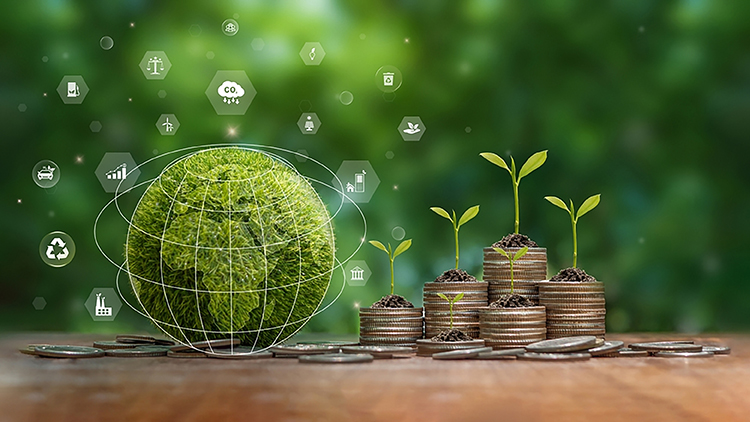
Green startups are young businesses that develop products or services designed to reduce environmental harm or improve sustainability. Their objectives can include reducing carbon emissions, conserving resources, minimizing waste, or replacing environmentally damaging processes.
Examples include:
- Solar energy companies
- Electric mobility businesses
- Recycling startups
- Sustainable fashion brands
- Clean agriculture companies
- Green construction businesses
- Water conservation technologies
- Eco-friendly packaging companies
The common factor is that sustainability is an important part of the company’s product, service, or operating model.
Why Green Businesses Are Growing
Environmental concerns have become increasingly important for consumers and businesses. Companies are under growing pressure to reduce waste, improve energy efficiency, and demonstrate responsible environmental practices.
At the same time, technological improvements have made many sustainable solutions more affordable and practical.
Several factors are supporting this growth:
- Increasing renewable energy adoption
- Demand for sustainable products
- Government incentives in some markets
- Growing environmental awareness
- Investment in climate technology
- Improvements in clean technology
This combination creates opportunities for entrepreneurs who can solve genuine environmental problems while developing commercially viable businesses.
Startup Green Energy Companies
Energy is one of the largest areas of opportunity in the green economy. Startup green energy companies are developing solutions involving solar power, wind energy, battery storage, energy efficiency, and other renewable technologies.
Some businesses focus on producing renewable energy, while others develop software or hardware that helps customers use energy more efficiently.
For example, a startup might create smart energy-management technology that helps businesses monitor electricity consumption. Another may develop improved battery systems for storing renewable energy.
The sector requires significant technical expertise, but software-based energy solutions can sometimes offer opportunities with lower infrastructure requirements.
Green Fertiliser Innovations
Agriculture is another industry experiencing environmental innovation. Traditional farming practices can create challenges involving soil health, water consumption, and chemical use.
Green startup companies are working on alternatives designed to reduce environmental impact while supporting agricultural productivity.
These businesses may explore:
- Bio-based fertilizers
- Organic soil amendments
- Microbial solutions
- Waste-derived nutrients
- Precision agriculture
The goal is not simply to create another agricultural product but to develop solutions that can support farmers while improving sustainability.
Opportunities in the UK and US
The UK and US have developed significant ecosystems for climate technology and sustainable entrepreneurship. Businesses working on renewable energy, sustainable agriculture, recycling, and environmental technology can find opportunities through investors, accelerators, research institutions, and government programs.
Entrepreneurs researching green startup companies UK/US should compare factors such as market demand, agricultural regulations, production costs, distribution networks, and available funding.
Regulations can vary considerably between countries, so businesses planning international expansion should obtain appropriate professional and regulatory advice.
Funding Green Startups
Building a sustainable company often requires investment, particularly when developing physical technologies or infrastructure.
Potential funding sources include:
Venture Capital
Some venture capital firms specialize in climate technology and sustainability-focused businesses.
Government Programs
Certain governments offer grants, incentives, or financing programs for eligible environmental projects.
Accelerators
Startup accelerators can provide mentorship, networking, funding opportunities, and business support.
Crowdfunding
Some environmentally focused products may be suitable for crowdfunding campaigns that allow businesses to test market demand while raising capital.
A strong business model remains important regardless of the funding source. Environmental impact alone does not guarantee commercial success.
What Makes a Green Startup Successful?
A successful sustainable startup needs to solve a real customer problem.
Entrepreneurs should focus on:
- Clear customer demand
- Measurable environmental benefits
- Competitive pricing
- Scalable operations
- Strong technology or intellectual property
- Reliable distribution
It is also important to avoid making environmental claims that cannot be supported. Transparency helps businesses build trust with customers and investors.
Can a Startup Sponsor a Green Card?
Entrepreneurs and employees sometimes ask, can startup company sponsor green card applications in the United States? The answer depends on the specific immigration category, the company’s circumstances, and the applicant’s qualifications.
A US startup can potentially participate in certain employment-based immigration processes, but sponsorship is not automatic simply because a company is a startup or operates in the green economy.
Immigration rules are complex and can change. Anyone considering this route should consult a qualified US immigration attorney for advice based on their individual circumstances.
Challenges Facing Green Startups
Despite strong opportunities, environmentally focused startups face several challenges.
Developing new technology can require substantial research and development investment. Hardware businesses may also face manufacturing and supply-chain difficulties.
Other challenges include:
- Regulatory requirements
- High initial costs
- Customer education
- Competition
- Scaling production
- Measuring environmental impact
Founders need both a strong environmental vision and a practical commercial strategy.
The Future of Sustainable Entrepreneurship
The green economy is expected to continue expanding as businesses search for cleaner technologies and consumers become more conscious of environmental issues.
Artificial intelligence, advanced materials, renewable energy, biotechnology, and data analytics could create new opportunities for environmentally focused entrepreneurs.
Future Green startup companies may combine several technologies to solve problems related to energy, food production, transportation, water, and waste.
Final Thoughts
Green startup companies are becoming an important part of the global business ecosystem. They demonstrate that entrepreneurship can address environmental challenges while creating products and services with commercial potential.
From renewable energy and sustainable agriculture to recycling and climate technology, opportunities exist across many industries. However, successful founders need more than a good environmental idea. They must understand customers, manage costs, comply with regulations, and develop a scalable business model.
As technology continues advancing and sustainability becomes more important, green entrepreneurship could create some of the most innovative businesses of the coming years.
About The Author
